
Salem City Directory Holdings
Salem historical city directory work starts with confirmed collection anchors, not an assumed annual run. The City sends historic-property research from addition name and lot or block into the Recorder's legal description, then to maps and directories. Willamette Heritage Center identifies a digitized directory and later directory references, while Salem Public Library supplies related newspaper, map, genealogy, and local-help paths. Neither institution's reviewed public material supplies a complete authoritative shelf list, so a title page, catalog result, or staff inquiry remains necessary for any exact year.
| Collection | Years | Where Held | Access |
|---|---|---|---|
| Digitized Salem city directory | 1871 | Willamette Heritage Center collections | Collection description online |
| Directory reference on the research service | 1962 | Willamette Heritage Center research | Research route and inquiry |
| Years cited in WHC interpretive profiles | 1889, 1890, 1893, 1896, 1905, 1909/10, 1913, 1915, 1924, 1930, 1932, 1935, 1939, 1941, 1942, 1945 | WHC interpretive material | Confirm title and holding before relying on a volume |
| Local-history research aids | Dates vary by resource | Salem Public Library | Card, in-library, or volunteer-desk conditions may apply |
The table records what is confirmed, not a publisher sequence or a promise that every intervening year survives. For a needed year, ask the library or WHC for the catalog record, publication title, and access condition before treating a cited year as a volume in hand.
Note: A directory year is useful only when its title, date, page, spelling, and abbreviation travel with the finding.
Salem's 1871 Directory
The Willamette Heritage Center collections identify a digitized 1871 Salem City Directory, along with a 1892 Salem map, Tiger Engine Company membership rolls, and the Salem Daily Record for 1867 through 1868. Those materials give a local archival starting point for a household, a street, or a community organization. They should remain separate sources: a map provides geographic context, a roll documents membership, and a directory records a dated listing.
Willamette Heritage Center's collection record is the source for the digitized directory image below.
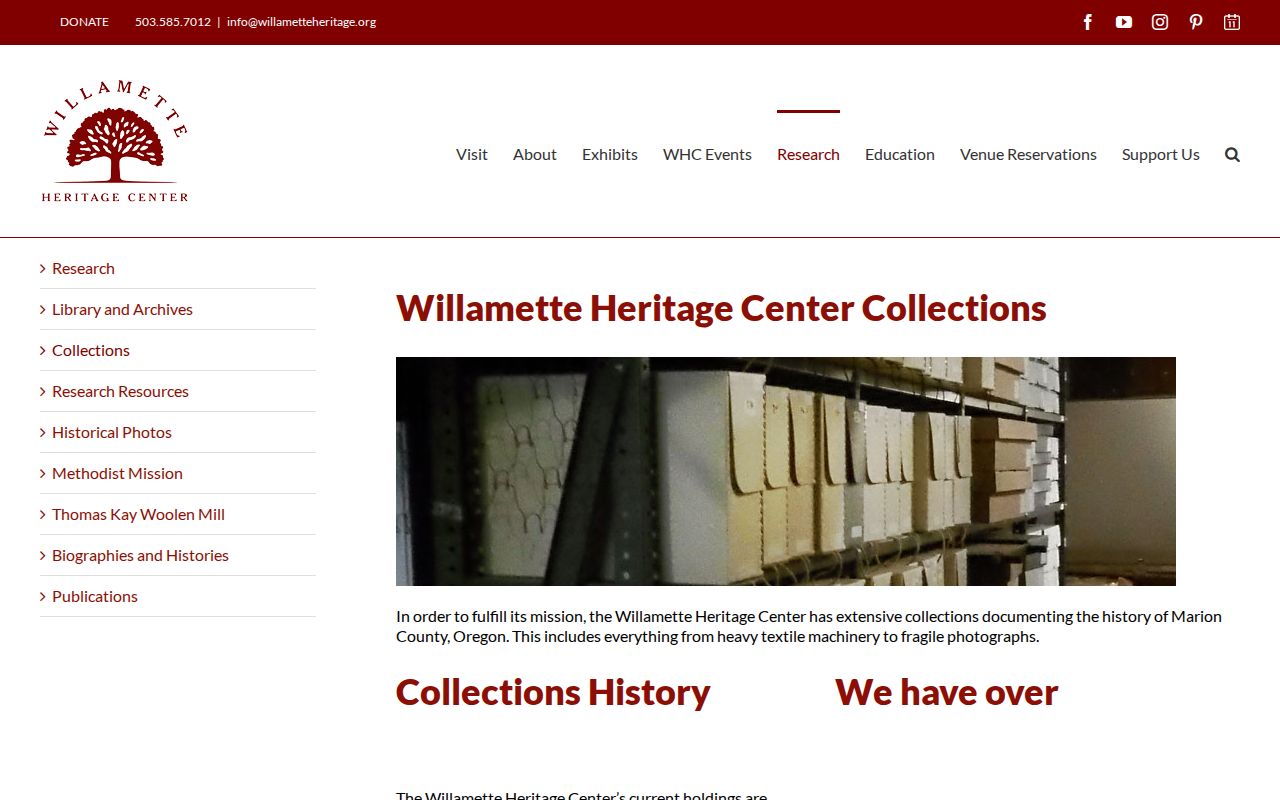
The Salem city directory collection reference is a useful reminder to record the institution and edition before transcribing any entry.
The same archive is a good place to distinguish primary material from interpretation. A source citation can lead to a collection, while the actual directory page supplies the wording and date needed for careful family-history notes.
Reading Salem Directory Entries
Older Salem city directory entries often compress several facts into one line. A WHC profile for Charles E. Bier gives an 1889 example: “Nicholas Bier, shoemaker Krausse & Klein, res 323 Liberty.” The entry is useful because it preserves a name, trade, business context, residence shorthand, and street address in a particular year. It does not establish a present identity or settle a common-name match on its own.
| Printed name | Keep the spelling and initials exactly as the volume gives them. |
|---|---|
| Trade or business | Record the occupation or employer wording when it appears. |
| Residence notation | Preserve res with the street form printed in the entry. |
| Board notation | Keep board or related shorthand rather than replacing it with an assumption. |
| Parenthetical name | Note a spouse in parentheses when the listing prints one. |
Read the volume's introductory key before expanding abbreviations. The same entry style may identify an occupation, a business address, or a residence, and the distinction matters when several people share a surname.
- Criss-cross directory
- An address-ordered section used to move from a street address to a dated listing when that edition includes it.
- Householder index
- An index arranged around the household listing, useful for finding the printed name before comparing other evidence.
- Abbreviation key
- The volume's own guide to its short forms, which should be copied or photographed with an entry.
Note: Keep an entry and its abbreviation key together because a short form can change the meaning of a listing.
Salem Directory Years Confirmed
Known Salem city directory points form a cautious timeline rather than a complete print history. WHC publicly identifies 1871, and its research material identifies 1962. Interpretive pages cite individual entries from 1889, 1890, 1893, 1896, 1905, 1909/10, 1913, 1915, 1924, 1930, 1932, 1935, 1939, 1941, 1942, and 1945. Those citations support research leads, but they do not authorize a claim about every year, publisher, or shelf location between them.
- 1867-1868: WHC identifies the Salem Daily Record as a separate early local source.
- 1871: WHC identifies the digitized Salem city directory.
- 1889 onward: WHC interpretive pages cite individual directory years and demonstrate listing conventions.
- 1932: the City identifies the beginning of reverse directories for address-to-person research.
- 1962: WHC's research page identifies a directory reference.
Publication year belongs beside every transcription. A later biography may quote an entry, but the original directory, when available, remains the record that fixes the edition and page.
Salem Address Research After 1932
The City historic-property method marks 1932 as the practical switch for an address-first city directory search. Starting with a house number and street can be productive in a reverse directory from that point forward. Begin with the address as printed, including its directional suffix, then record the year and nearby listings without turning proximity into a claim about personal ties.
For a house-history question, the Salem historic-property research guide begins with the addition name and lot or block before moving to the Recorder's legal description. That records geography helps when a street label changed, a map uses an older form, or an address does not map cleanly to a recorded document. Modern address-keyed work belongs with the Salem street directory, where the parcel and document path is treated in depth.
Note: A reverse-directory listing identifies an address in a particular edition, not a continuous record of a household.
Salem Name Searches Before 1932
Before 1932, Salem city directory research begins with a name rather than an address. Use a deed, map, newspaper item, earlier directory, or other dated source to identify a candidate name, then search the name listings forward. Preserve variant spellings, initials, occupational wording, and street abbreviations. These details can separate two similar names better than a modernized transcription can.
When an early address appears in one source but not the directory, keep the conflict visible. A person may have moved, boarded, used a business address, been omitted, or been recorded under a different form. The next available dated directory, map, or newspaper is a better cross-check than a guess.
Note: Early Salem name searches work best when initials, spelling, and street form remain exactly as each dated source prints them.
Salem Directories and Lot Blocks
Salem's historical research gains strength when a directory address is paired with the physical description used in land records. The City guide starts with addition name and lot or block, then the Recorder's legal description. A legal description can survive changes in street display and helps connect a directory entry to plats, deeds, and map evidence without pretending that every old address has a simple modern equivalent.
Salem also crosses Marion and Polk counties. Confirm the location and county before selecting property or recording records, especially for West Salem or addresses near jurisdiction lines. City name, postal address, parcel geography, and county custody do not always point to the same office.
Salem Directory Household Tracing
Follow a household through Salem city directories one edition at a time. A careful trail connects publications, maps, and archival indexes while allowing dates to disagree. The goal is a documented sequence of historical listings, not a single merged profile.
- Locate the earliest confirmed spelling in a dated directory or related record.
- Transcribe the year, title, page, occupation wording, abbreviation key, and full address form.
- Check the next available edition for a move, a changed business line, a spouse notation, or a disappearance.
- For 1932 and later address questions, use the reverse index; for earlier years, continue name-first work.
- Pair the directory sequence with the appropriate census period, map, newspaper, deed, or archive finding aid.
A disappearance can mean many things. It may reflect a move, death, an unlisted household, a changed spelling, or a change in the publication itself. Treat it as a research question and seek another dated source.
Salem Directory Cross-Checks
Salem Public Library online resources provide several companion paths: Oregon Historical Newspapers with scanned Salem papers dating from 1869 for library-card users, Statesman Journal digital microfilm from 1980 to current, in-library Ancestry access, and historic Sanborn maps. The library's other services also identify the Willamette Valley Genealogical Society collection and a volunteer desk when available. Access conditions matter as much as the resource name.
Willamette Heritage Center research services offer another local route for questions that need collection context or assistance.
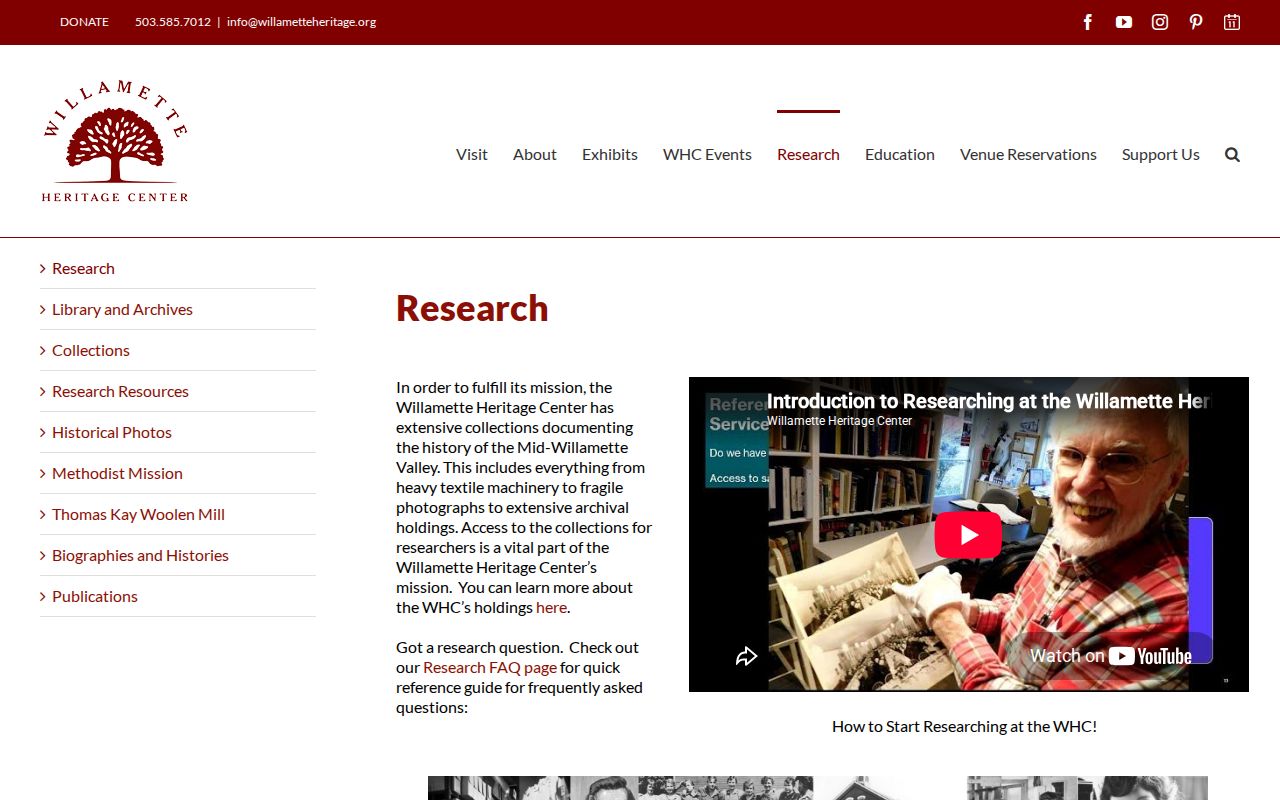
The archive research-service entry is a useful escalation path when a confirmed year or an original page cannot be resolved from public collection descriptions.
The Oregon State Archives Marion County guide and the Oregon Historical Records Index overview provide separate corroboration paths for probate, naturalization, and other historical series. An index result is a lead to its repository and record series, not identity proof. Archive routes can support a dated directory trail only when the source, person, place, and period agree.
Salem Directory Evidence Limits
A Salem city directory is historical evidence with a narrow scope. It may show a name, address, trade, business connection, spouse notation, or boarding shorthand for one publication date. It cannot by itself prove that a person remains at an address, that two names are the same person, or that a property record and a directory line describe one uninterrupted household.
Use the source that answers the question asked. A directory supplies a dated listing, a recorded instrument documents a transaction, and an archival index points toward a series. Keeping those roles separate makes local family-history work clearer and safer.